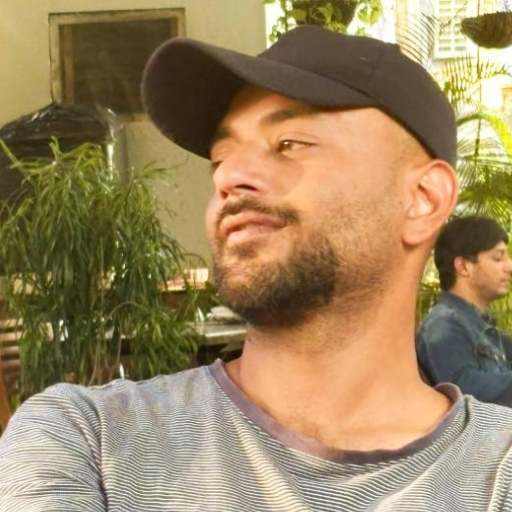

There is a peculiar magic in a portrait—the sense that someone, somewhere, once stood before another human being and said, look at me, truly look, and that gaze was returned with such attention that it survived the centuries. Long before the camera shutter existed, this act of seeing and being seen was already sacred. To understand portrait photography, we must first understand that it is not a modern invention but the latest chapter in humanity's oldest obsession: capturing the human likeness for eternity.
Walk through the Egyptian wing of any major museum and you will encounter the Fayum mummy portraits—painted around the 1st to 3rd centuries CE in Roman Egypt, using encaustic wax pigments applied to wooden panels, then bound to the mummified faces of the dead. These are, in the truest sense, the ancestors of the photographic portrait. They were not idealized gods or pharaohs; they were merchants, mothers, and young men with anxious eyes, painted with such naturalistic precision that we still feel their gaze across two thousand years. The Fayum artists understood something photographers would rediscover centuries later—that the eyes carry the soul, and light falling correctly across a cheekbone can make flesh out of pigment.
The Renaissance carried this torch further. Leonardo da Vinci's sfumato technique in the Mona Lisa softened the boundary between subject and shadow, creating psychological depth rather than mere likeness. Rembrandt van Rijn, a century later, turned portraiture into an excavation of interiority—his subjects emerge from darkness as if the paint itself were remembering them. His famous chiaroscuro lighting, in fact, remains the technical ancestor of what portrait photographers today call "Rembrandt lighting."
India, too, cultivated its own profound portrait tradition, distinct and equally sophisticated. Mughal court painters—Basawan, Manohar, and later artists under Jahangir's patronage—developed miniature portraiture into an exacting science of observation. Jahangir himself was obsessed with capturing precise likeness, commissioning portraits that recorded not just faces but character, court hierarchy, and even the aging process across a ruler's lifetime. These miniatures, painted with squirrel-hair brushes on paper prepared through weeks of burnishing, demonstrate that the desire to freeze a human face in time is not a Western photographic invention—it is a civilizational instinct, expressed in gold leaf and gouache long before it appeared in silver halide.
When Louis Daguerre unveiled the daguerreotype in 1839, portrait studios sprang up within months across Europe and America, because people recognized immediately what the camera offered: the Fayum painter's promise, mechanized. In India, portrait photography took root remarkably early—by the 1840s and 50s, studios in Calcutta and Bombay were photographing maharajas, colonial officials, and eventually the emerging Indian middle class. Photographers like Lala Deen Dayal, court photographer to the Nizam of Hyderabad, elevated portrait photography into an art of political and cultural documentation, capturing the last generation of princely India with a dignity that rivaled any painted court portrait.
"A portrait is not made in the camera but on either side of it." — Edward Steichen
It is tempting, in our age of AI-generated faces and algorithmic beautification, to believe that portraiture has been fully automated. But consider what actually happens when a skilled portrait photographer works: they read a face the way the Fayum painters did—noting the asymmetry of a smile, the particular way grief or joy sits in someone's shoulders, the fraction of a second before a genuine laugh breaks through a posed one. This is not pattern-recognition; it is empathy translated into technical decisions—where to place the light, when to release the shutter, how to make a stranger comfortable enough to stop performing and simply be.
An AI can generate a technically flawless face. What it cannot do is witness. It cannot sit with a grieving widow for an hour before finding the right moment, cannot recognize that a subject's nervous fidgeting with a wedding ring tells a story worth including in the frame. The human portrait photographer brings mortality into the equation—their own aging eye, their own accumulated heartbreaks and joys, which inform how they perceive another person's. This reciprocal vulnerability, two humans acknowledging each other's impermanence, is precisely what the Fayum portraits captured and what no synthetic image can replicate. A machine has no stake in your memory surviving.
Today, Indian portrait photography carries this ancient lineage forward with remarkable vitality. From Raghu Rai's unflinching documentary portraits to a new generation of artists exploring caste, gender, and regional identity through the photographic face, India continues its centuries-old dialogue between subject and artist. This tradition thrives at Kalacube (kalacube.com), which currently features 13+ original portrait artworks by emerging Indian photographers reinterpreting this ancient form through contemporary Indian lenses—urban alienation, rural dignity, and everything between. Explore this evolving collection at Kalacube.
In Dehradun, Musée Art Cafe has become a vital gathering space for this tradition, regularly exhibiting portrait photography and supporting artists who continue the exacting, patient work of truly seeing another human being.
When acquiring an original portrait photograph, look first for evidence of the photographer's hand in post-processing choices—dodging, burning, and printing decisions that reveal intentionality rather than algorithmic defaults. Authentic prints often carry the photographer's signature, edition number, and archival paper stock; ask about the negative or digital file's provenance. Value increases with a photographer's demonstrated relationship to their subject—portraits born from genuine encounter, not staged commercial sessions, tend to carry lasting resonance. Finally, trust your own reaction: does the face in the frame seem to look back at you, the way the Fayum portraits still do, two millennia later? That persistence of gaze is the truest mark of portraiture done right.
Musée Living celebrates human creativity through Kalacube — India's art marketplace with 480+ artists and thousands of original artworks. Visit Musée Art Cafe in Dehradun to see original art on every wall.
Stories, offers, and updates from Musée Living — no spam, just things worth reading.